
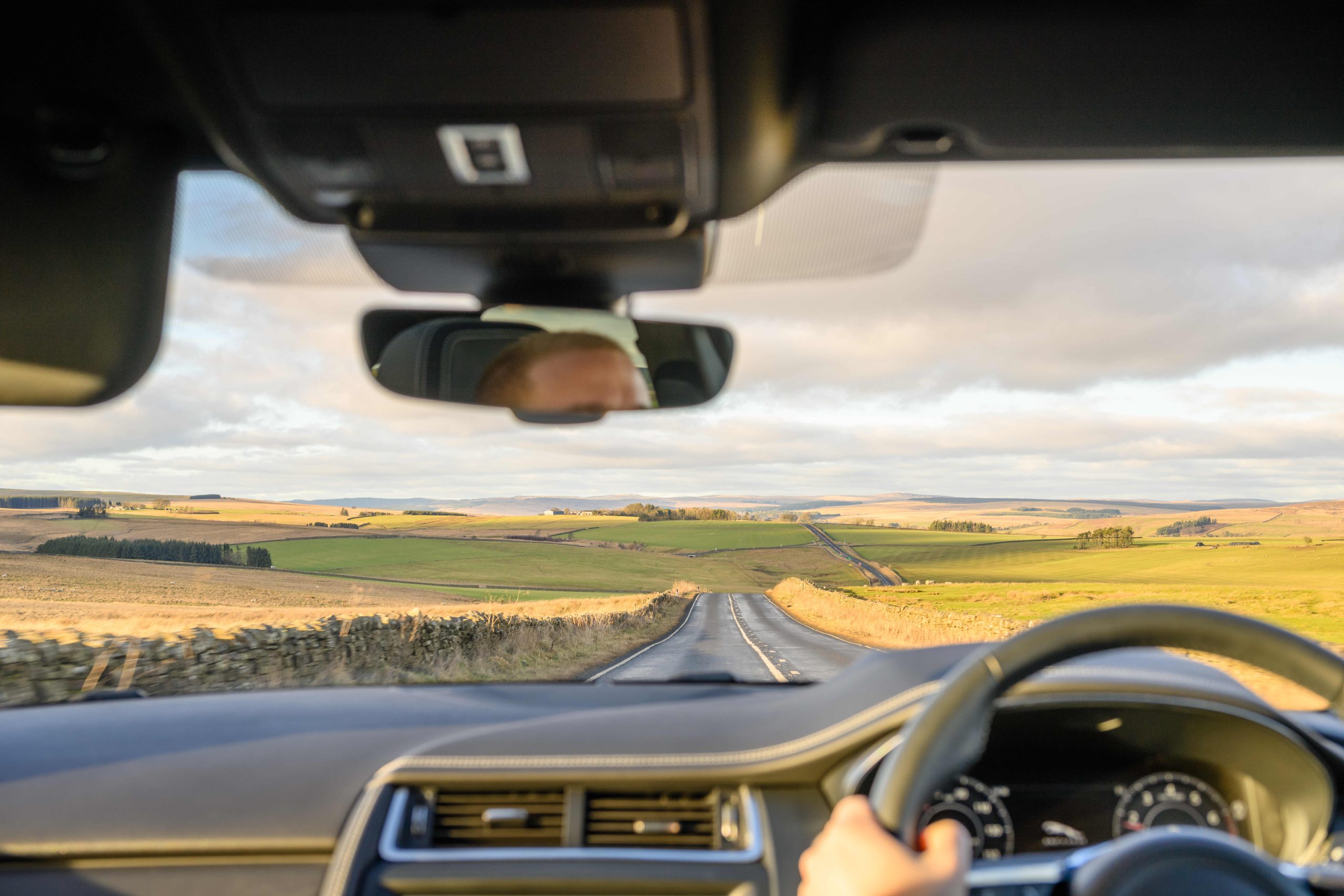
Getting a driving license is however one of the most wonderful experience that every individual dreams of, but it’s sometime terrifying to new drivers. This is particularly true for any teenager happy to get as independent as one can be or for the grown up who has been dreaming of this moment for so long. The following are tips for learning how to drive a car for beginners: This article will outline the beginner driving lessons to enable you create a sound foundation on how to drive a car.
The Importance of Driving Lessons
As far as the motor skills are concerned, driving is the result of good coordination, while the responsibility is a measure of one’s character. Driving lessons which are provided by expert instructors make sure that one masters the roads regulations, good manner road/use and confidence in ones ability to drive alone. Instead of consulting friends and relatives, it is best to register in a driving school with a qualified instructor, because at least, your procedure of learning is correct from the start.
Choosing the Right Driving School
The right driving school has to be chosen. Make sure the school has skilled teachers who are well recommended and who will be able to teach you properly. The availability timetable of the lessons should be quite liberal to allow you create consistency in your lessons. Also, all the vehicles belonging to the school should always be in good condition and should always be fitted with dual controls especially when teaching new drivers.
What to Expect in Your First Lesson
It is usually considered that the first lesson of driving is the most stressing, yet it is crucial to know what to expect in such a context. Your instructor will start by giving an orientation of the vehicle and information pertaining to the controls which include; speed control knob for the wheels, the accelerator and brake pedals, and the gear stick. You will be taught how to move your seat back, adjust the several mirrors to get the best view and the most comfortable position.
After understanding the location of the controls on the car, your instructor will assist on switching on the engine and operations of the car. The first lesson normally is taken out to a spot that is not so busy and then you are taught some of the basic operations like turning the steering, the brakes and the acceleration. The first lesson therefore is all about instilling some level of confidence in you and in the car.
Mastering the Basics: Steering, Braking, and Accelerating
Mastering the Basics: Steering, Braking and Accelerating are one of the most important aspects of the automobile industry and play a significant role in the day to day utilization of the automobiles.
One is steering, the other is braking, and the third is acceleration among many other things any new driver doesn’t need to be told. Your instructor will show the proper grip on the wheel as you hold it at the quarter to three and quarter to nine positions enabling one to have a better grip of the wheel and make quick turns.
Braking is another manoeuvre that you will be trained in when you get behind the wheel for the first time. It is important for your safety and those in the car with you to understand how to apply brakes in order to avoid very rude halts. Likewise, you’ll get to rehearse gradual building up of speed so as to achieve a smooth ride.
Understanding Road Signs and Signals
Another component of the learning process is rules of the roads and road signs and signals. There are usually stop signs, yield signs, and speed limit signs that your instructor will assist you to become more conversant with. Traffic signals and the manner to follow them when nearing intersections will also be covered.
Observing traffic signs and signals is important and not only in the course of the practical test but also for the safety of drivers and other users of the roads. These signs afford information of road condition, traffic law and precautionary measures that one is likely to come across.
Building Confidence with Parking and Maneuvering
Owing to this, parking and moving around particularly around parking lots is usually a big test for the beginners. While learning you will be introduced with the different types of parking such as parallel parking, reverse parking, angle parking and the like. A teacher will take you through the correct procedure that will enable you learn the correct parking spatial orientation.
This includes the ability to drive on narrow roads through staking U turn or three points turn. These maneuvers involve a lot of control on the vehicle and certainly, the dimension of the vehicle. With time being behind the wheel, you gain more confidence in controlling the car especially in all frequently encountered circumstances.
Navigating Busy Roads and Intersections
In the further stages of learning to drive, you move from roads that are congested with traffic and deal with different traffic flows. This stage of learning is regarded as the most important one that is aimed at the fast decision-making as well as the reaction on the actions of other participants of road traffic. Your instructor will also guide you on how to join highways, change lanes and directing you on how to maneuver roundabouts.
Intersections are often considered to be the most difficult situations for the novice drivers. Here, you will find out how to handle intersections and how to differentiate the right of way and how to make good turns. Awareness of how traffic interacts as well as methods of managing the point of conflict cannot be overlooked in order to prevent crashes and controlling self-confidence of drivers.
Preparing for the Driving Test
Towards the later part of your beginner driving lessons, you will already start thinking of how to take the driving test. To ensure that you are well prepared for the exams, the instructor will carry out mock exams to know the areas to work on. The driving practice tests must resemble the tests you are going to face in the actual driving test so that you gain the feel of it beforehand.
Outsmarting the techniques used in the two examinations will improve one’s chances of passing them in the first instance.
The Journey to Becoming a Confident Driver
As much as learning to drive is fun, it is a process and therefore needs time, effort and commitment. Hence, when you sign up to learn the ‘first steps’ in your driving, you are actually setting the tone for your many future years of safe driving. Regardless of whether you are driving to your workplace, shopping, or going on a holiday, one is always going to benefit from the lessons they receive in their lifetime.
Thus, first lessons driving are the crucial stage of the process in order to become a confident and safe driver. This is all that one needs to know on how to choose the correct driving school, learn the basics, and practice defensive driving and you will be on your own ready to embrace the independence of driving. Safe travels!
Contact us at Raven Driving School for Beginner Driving Lessons.

